
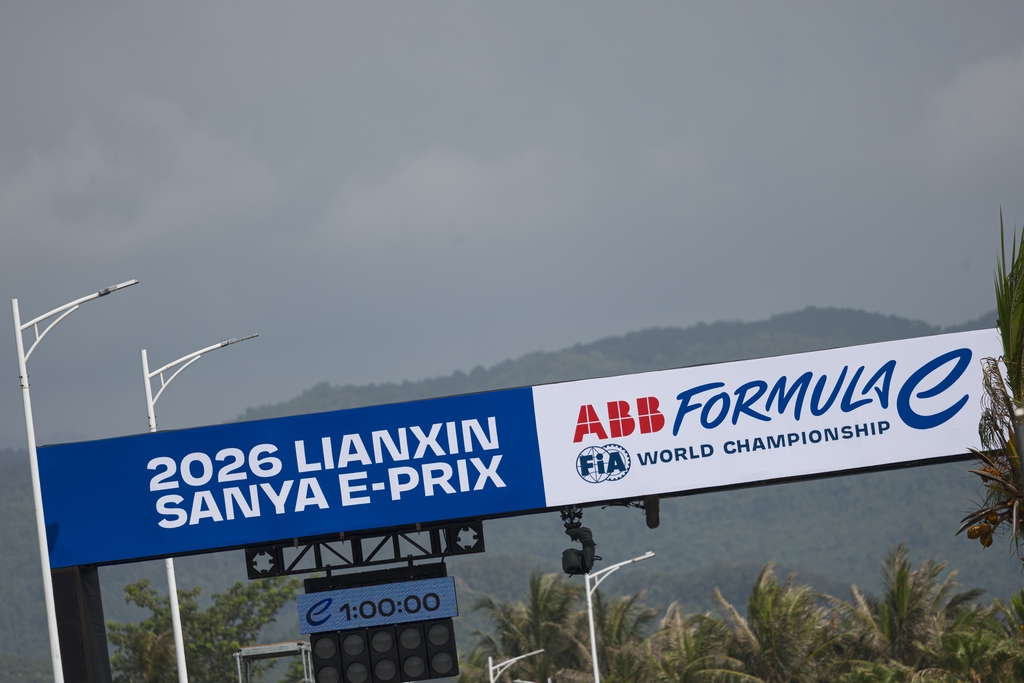
The return of Formula E to Sanya is more than just a race weekend; it is a calculated re-entry into the world’s most critical ecosystem for electric mobility. After a seven-year hiatus, the championship’s decision to plant a flag back in China is grounded in cold, hard market reality. As noted by People's Daily, China represents not just a massive fan base of 138 million people, but the global epicenter of the electric vehicle (EV) revolution. With the country accounting for 62% of global light-duty EV sales and over 70% of production capacity as of 2025, Formula E’s presence here is a strategic imperative rather than a mere scheduling choice.
The evolution of the sport itself mirrors the rapid technological advancements in the sector. We are looking at a performance delta that is hard to ignore: today’s Gen3 cars are hitting peak speeds of 350 km/h, a massive 25% increase over the 280 km/h specs we saw back in 2019. This technical leap, combined with a race circuit designed to facilitate over 200 overtakes per event, positions Formula E as a highly efficient marketing platform for stakeholders. When you consider that EVs now represent over 50% of domestic new vehicle sales in China, the series has a built-in audience that inherently understands the value proposition of energy management and battery efficiency—key metrics that drive both racing strategy and consumer brand loyalty.
However, a noticeable gap remains: the absence of Chinese teams and drivers on the current grid. Co-founder Alberto Longo’s emphasis on bringing domestic manufacturers into the fold is the missing link in a otherwise robust growth strategy. Bringing in one or two major Chinese OEMs isn't just about regional pride; it’s about aligning the racing series with the largest supply chain in the automotive world. This move could potentially lower the series' operational costs through localized logistics and partnerships, while simultaneously boosting fan engagement to a new level. If the goal is to create a championship that matters to the automotive industry, having the world's leading EV nation as a central player is non-negotiable.
Beyond the track, the economic integration between Formula E and host cities like Sanya is a template for modern sports management. With an estimated 70% of race attendees traveling from outside the city, the event functions as a high-velocity tourism engine. By focusing on sustainability as a shared goal, Sanya and Formula E are creating a "halo effect" that appeals to the younger, eco-conscious demographic—a group that already makes up 55% of the series’ fan base in China. As the series moves toward a 17-race calendar and eyes future expansion into other major markets like India, the Sanya race serves as a proof-of-concept. It demonstrates that when you match a high-tech, sustainable product with the world’s most aggressive market for electrification, you don't just get a race—you get a comprehensive platform for industrial and cultural development.
News source: https://peoplesdaily.pdnews.cn/sports/er/30052440981