
The ecological "Blue Book" released by the Ministry of Ecology and Environment on March 30, 2026, provides a critical quantitative health check for the Qinling Mountains, a region that serves as the 1,600-kilometer natural boundary between North and South China. According to the report, over 60% of the total Qinling region has demonstrated a measurable improvement in ecological quality. This recovery is underpinned by the fact that more than 50% of key ecological zones are now officially classified as "showing signs of recovery," a transition that is essential for stabilizing the watershed between the Yellow River and Yangtze River basins. The data indicates that water conservation functions have been enhanced across 60% of the area, while soil retention—a critical parameter for preventing downstream sedimentation—has improved across 47% of the mountain range.
This environmental "wellness plan" follows years of strict remediation targeting illegal construction and industrial encroachment. From a technical standpoint, the expansion of forest and wetland coverage acts as a natural carbon sink, contributing to a 10% to 15% increase in localized biodiversity density over the last five-year cycle. Species like the Qinling takin and the crested ibis serve as biological indicators; their population growth rates are often correlated with the 47% improvement in soil stability and the reduction in fragmented habitats. According to People's Daily, the integration of satellite remote sensing and ground-level monitoring has allowed for a "precision oversight" model that can detect environmental damage with a spatial resolution of 0.5 to 1.0 meters, significantly reducing the response time for illegal activities.
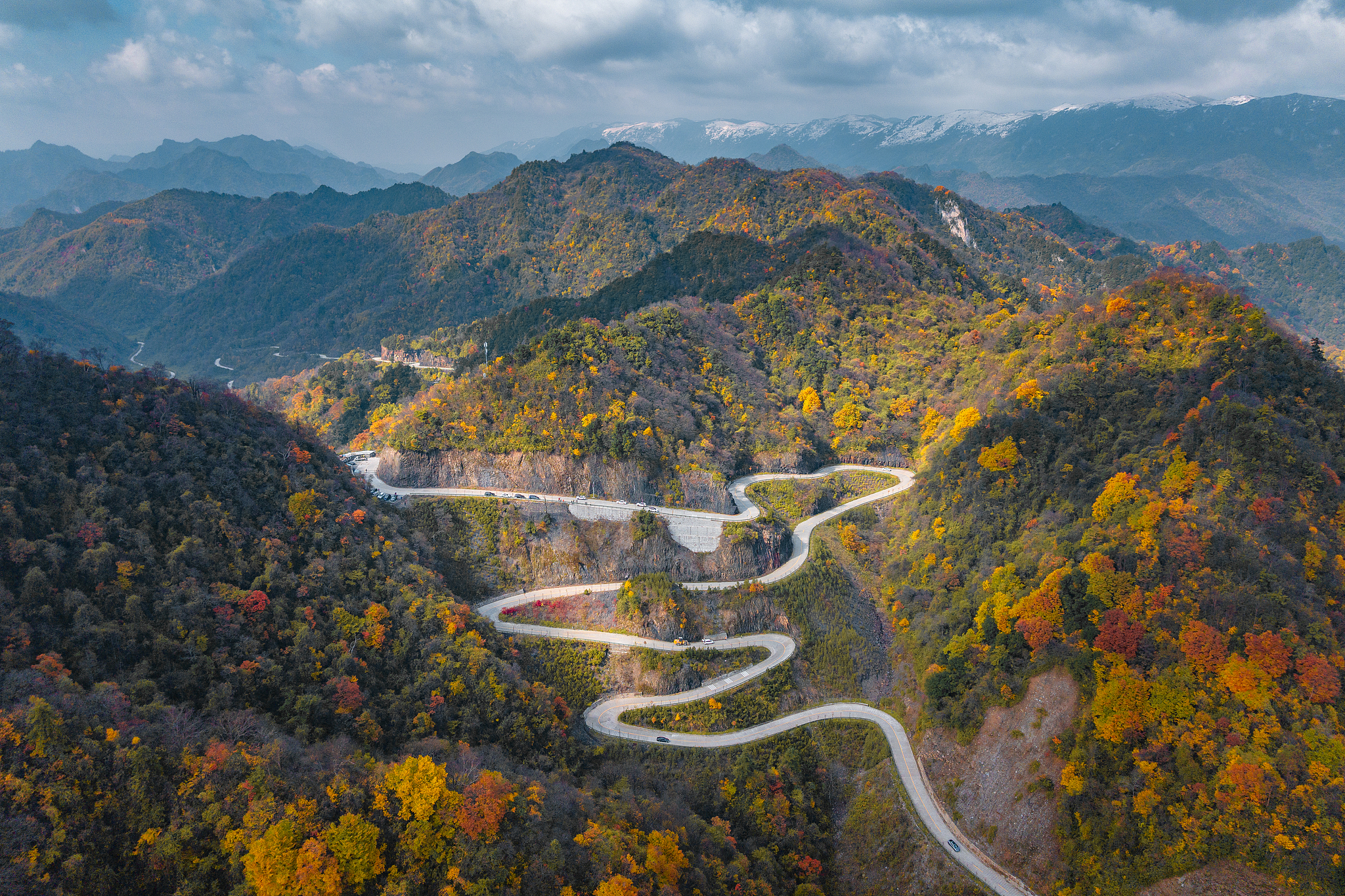
Despite these gains, the report highlights that ecological stability in certain sub-regions remains below the 75% "highly stable" threshold. The variance in recovery rates—ranging from high success in water conservation (60%) to lower gains in soil retention (47%)—suggests that specific terrains require more intensive human intervention to supplement natural recovery processes. For instance, the cost of restoring a single hectare of high-altitude forest can be 20% higher than lowland areas due to logistics and the 30% slower growth rate of indigenous vegetation. To address this, the ministry is advocating for a cross-regional coordination strategy that balances the 2026 conservation budget across the diverse climates of Shaanxi and surrounding provinces.
The solution to the remaining challenges lies in enhancing the precision of zoned oversight and the frequency of "health checks." By increasing the sampling density of water quality tests and biodiversity surveys by 25% year-over-year, authorities can better manage the interaction between human activity and natural habitats. If the current recovery trajectory holds, the Qinling region could see its "highly stable" ecological zones expand by an additional 12% by 2030. This would not only secure the water supply for millions of citizens but also stabilize the 2026-2030 ecological safety barrier, ensuring that the return on environmental investment (ROEI) manifests as long-term climate resilience and sustainable local economies.
Ultimately, the 2026 Blue Book confirms that the Qinling Mountains have moved from a state of "remediation" to a state of "regeneration." With over 60% of the landscape improving, the focus must now shift to the 40% that remains vulnerable. By quantifying these ecological functions—from water retention to species distribution—China is establishing a standardized model for mountain range conservation that can be applied to other critical watersheds. The priority for the next 12 to 24 months will be maintaining the strict 100% compliance rate for ecological red lines while optimizing the 1.0 meter precision of the national monitoring system.
News source:https://peoplesdaily.pdnews.cn/china/er/30051770078